

ANIMAL ASSISTED THERAPY IN ALBERTA:
HEALING THROUGH THE HUMAN-ANIMAL BOND
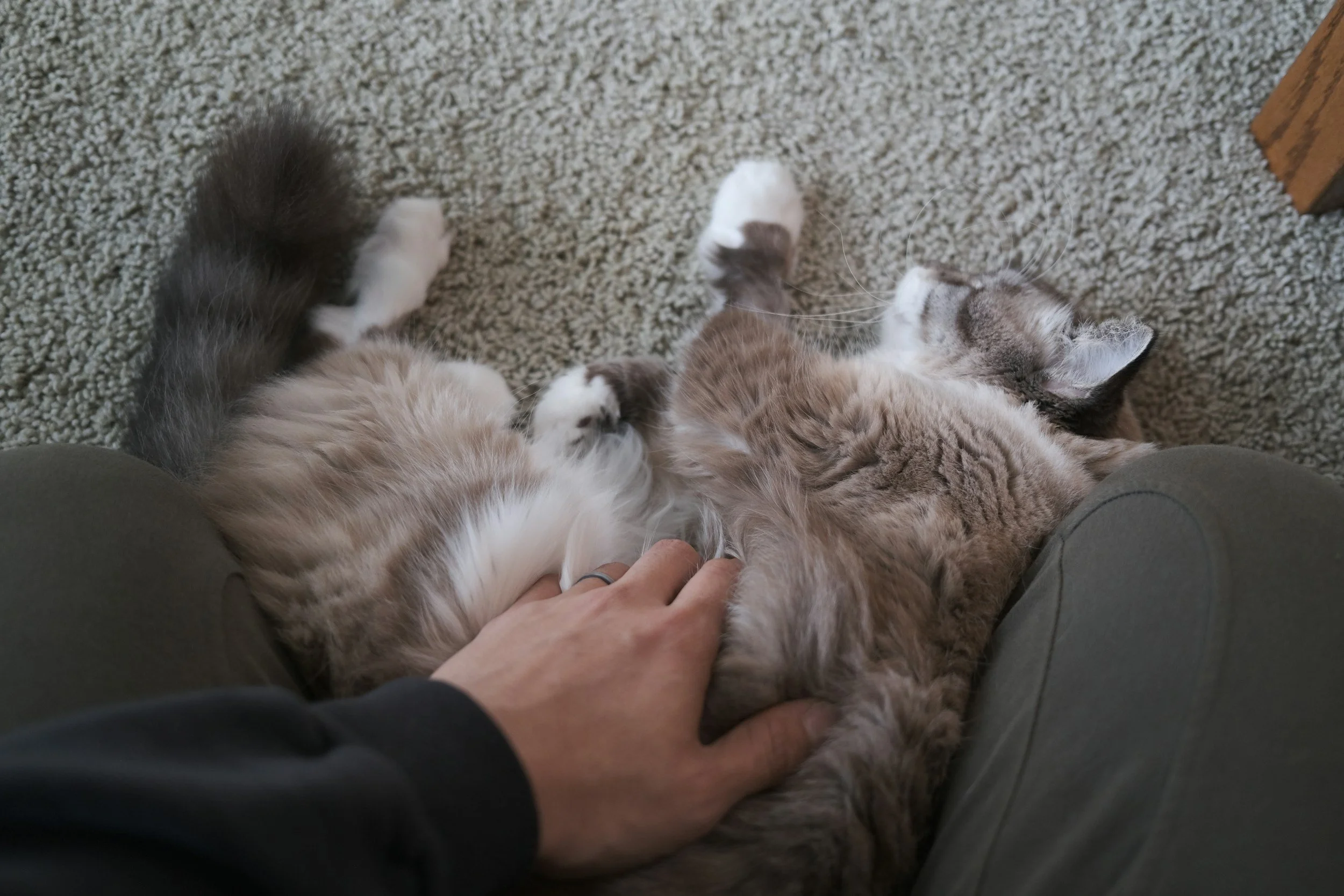
Animal Assisted Therapy (AAT) is a specialized and powerful approach that uses the presence and interaction with a therapy animal (often a dog) as an integral part of the healing process. This unique setting provides a non-judgmental comfort that can reduce anxiety, build trust, and lower defenses, allowing for deeper therapeutic work. If traditional talk therapy feels difficult, AAT in Edmonton might be the compassionate alternative you need.
Is Duke or pō Always a Part of Sessions?
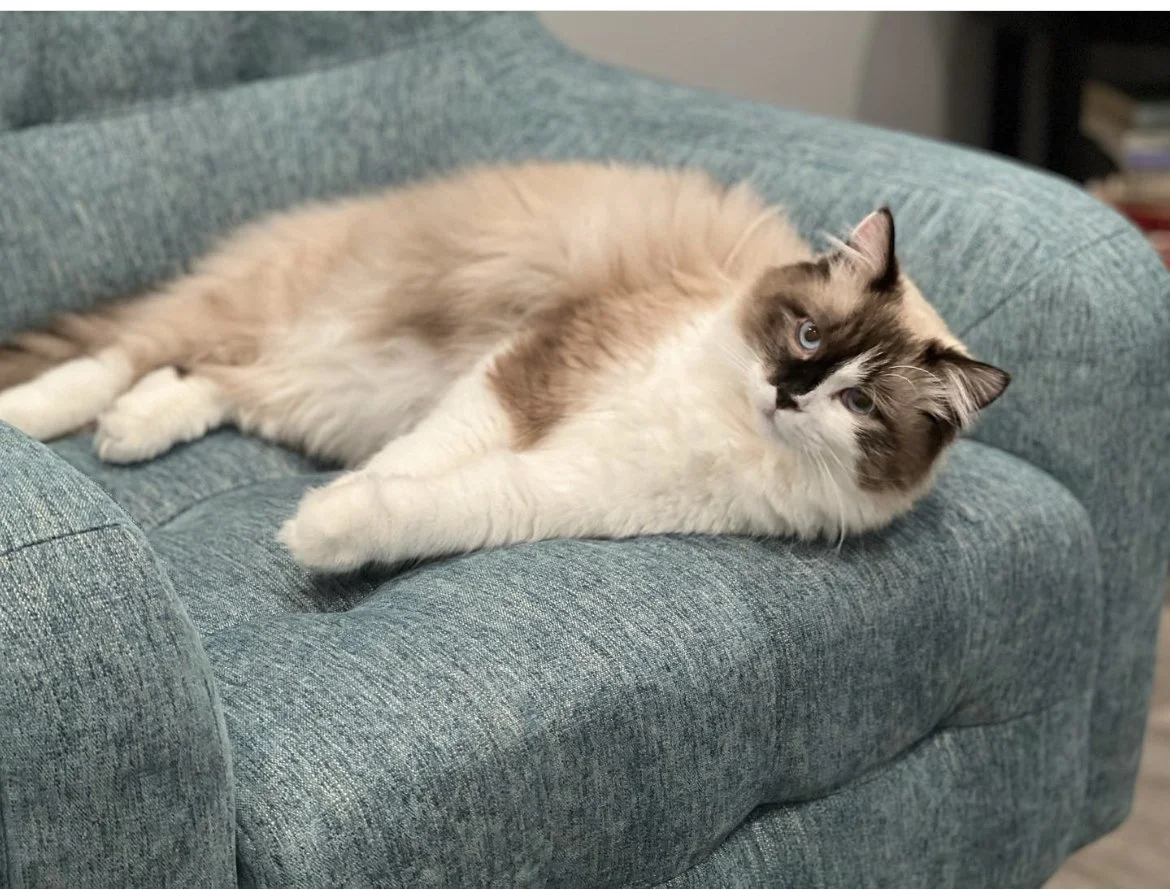
No. Duke and Pō are invited on a case-by-case basis, often only on Saturdays. Not all clients would benefit from AAT, nor want a cat present due to a variety of issues. Clients who are interested in having Duke or Pō present for session can let Dr. Pott know.
What Does Duke/Pō Do in Session?
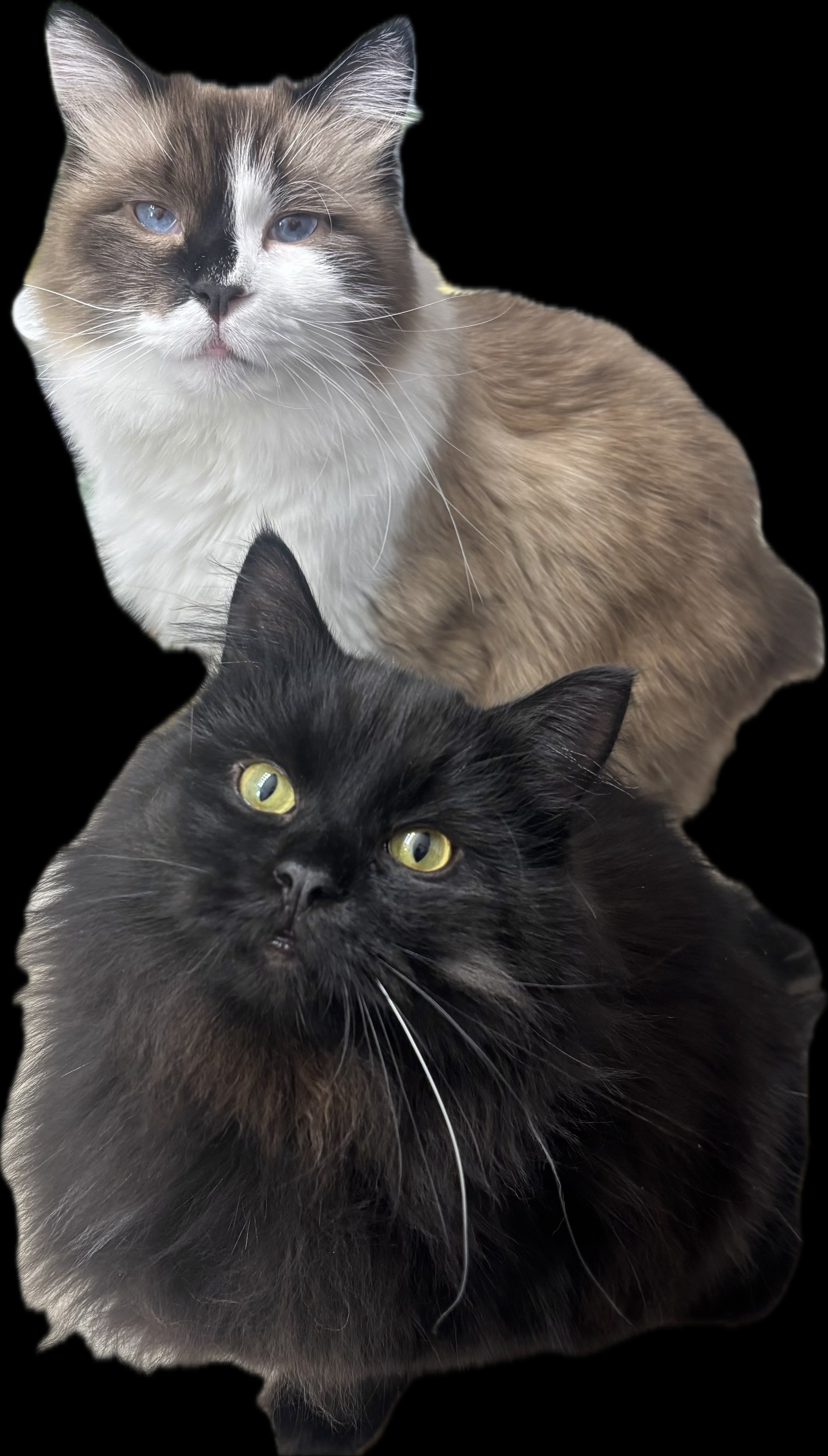
Duke will hiss at you - this is his greeting that he’s developed over time. He is not mad, nor is he going to swat at you. Instead we think this is him saying hi. He will smell you, and he may give you a kiss or lick. Duke is friendly and open to being pet. He is not often a lap cat, but may sit beside you. Often he sits on the desk and watches you throughout the session.
Pō is a young adult cat in training. So far he often enjoys playing, sniffing all your belongings, and sleeping under the couch.
As part of AAT you may be invited to play with, pet, groom, or feed Duke with the support of his handler, Dr. Pott.
What Are the Benefits of AAT?
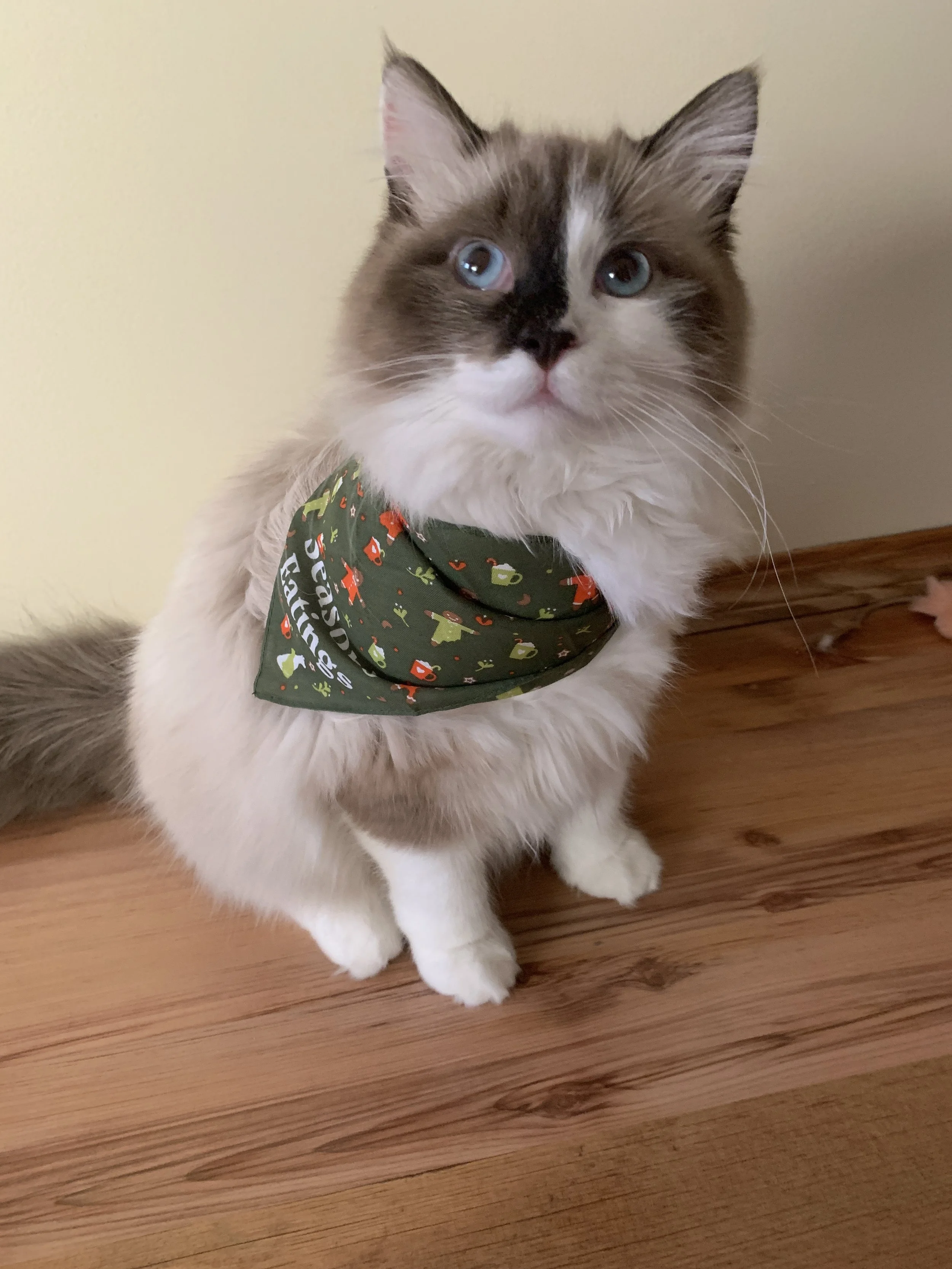
Contact with a cat can contribute to health benefits and may help with a reduction of stress and mental health concerns. Feline-assisted therapy is also beneficial if individuals are unable to interact with large animals such as horses or dogs, and may provide a stepping stone into AAT.
What are some of the risks of AAT?
As Duke is a cat a large risk is finding out you may be allergic to cats if you were unaware of this before. While Duke is a calm cat, he may get frightened or be disengaged, therefore some risks might be being hissed at or being ignored and the impact this has on a clients emotions.
Is Duke and Pō safe?
Both cats are up to date with vaccines, are groomed regularly and has their claws cut before each session to ensure no scratching occurs. Additionally, Duke has undergone training to ensure that his temperament is suitable within a counselling context. Most of the time he just sleeps on the computer and watches you during session. He does not jump up on laps. He is a very good cat to be around if you want to address a phobia of cats.